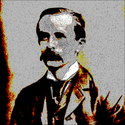
J.M. Barrie
J.M. Barrie: A Timeless Storyteller
Full Name and Common Aliases
Full Name: James Matthew Barrie
Common Aliases: J.M. Barrie
Birth and Death Dates
Born: May 9, 1860
Died: June 19, 1937
Nationality and Profession(s)
Nationality: Scottish
Profession(s): Novelist, Playwright
Early Life and Background
James Matthew Barrie was born in the small town of Kirriemuir, Scotland, the ninth of ten children in a modestly prosperous family. His father, David Barrie, was a weaver, while his mother, Margaret Ogilvy, was a homemaker who had a profound influence on his life and work. The Barrie household was steeped in Scottish traditions and storytelling, which would later permeate J.M. Barrie's literary creations.
Tragedy struck early in Barrie's life when his older brother David, his mother's favorite, died in an ice-skating accident. This event left a lasting impact on Barrie and his family, particularly his mother, who found solace in the idea that David would remain a boy forever. This theme of eternal childhood would become a central motif in Barrie's most famous work.
Barrie attended the University of Edinburgh, where he developed a passion for literature and drama. After graduating, he moved to London to pursue a career in writing, initially working as a journalist before transitioning to fiction and drama.
Major Accomplishments
J.M. Barrie's career was marked by a series of successful novels and plays that captured the imagination of audiences in Britain and beyond. His early works, such as "Auld Licht Idylls" and "A Window in Thrums," drew on his Scottish heritage and were well-received for their vivid portrayal of rural life.
However, it was his foray into the world of theater that solidified Barrie's reputation as a master storyteller. His play "The Admirable Crichton" was a critical and commercial success, showcasing his ability to blend humor with social commentary. Barrie's unique voice and imaginative storytelling quickly made him a prominent figure in the literary and theatrical circles of his time.
Notable Works or Actions
J.M. Barrie's most enduring work is undoubtedly "Peter Pan," a play that premiered in 1904 and was later adapted into a novel titled "Peter and Wendy" in 1911. The story of the boy who wouldn't grow up, his adventures in Neverland, and his encounters with the Darling children and Captain Hook captured the hearts of audiences and became a cultural phenomenon.
"Peter Pan" is celebrated for its whimsical characters, enchanting narrative, and exploration of themes such as innocence, imagination, and the bittersweet nature of growing up. The character of Peter Pan has become an iconic symbol of eternal youth and the power of imagination, resonating with audiences of all ages.
Impact and Legacy
J.M. Barrie's impact on literature and popular culture is profound and enduring. "Peter Pan" has been adapted into numerous films, stage productions, and other media, ensuring its place in the pantheon of classic children's literature. The character of Peter Pan has become a cultural icon, representing the timeless allure of childhood and the magic of storytelling.
Beyond "Peter Pan," Barrie's contributions to literature and theater have left a lasting legacy. His works continue to be studied and performed, and his influence can be seen in the works of subsequent generations of writers and playwrights.
Why They Are Widely Quoted or Remembered
J.M. Barrie is widely quoted and remembered for his ability to capture the essence of childhood wonder and imagination. His writing is imbued with a sense of whimsy and nostalgia, inviting readers and audiences to embrace the magic of storytelling and the joy of youthful innocence. Quotes from "Peter Pan" and Barrie's other works often reflect themes of adventure, the passage of time, and the enduring spirit of youth.
Barrie's legacy is also shaped by his personal generosity and kindness. He was known for his philanthropic efforts, including his support for the Great Ormond Street Hospital, to which he gifted the rights to "Peter Pan." This act of charity has helped the hospital provide care for countless children over the years, further cementing Barrie's legacy as a beloved and compassionate figure.
In summary, J.M. Barrie's timeless tales and memorable characters continue to inspire and delight audiences around the world, ensuring his place as one of the most cherished storytellers of all time.
Quotes by J.M. Barrie
J.M. Barrie's insights on:

It's a sort of bloom on a woman. If you have it, you don't have to need anything else;and if you don't have it, it doesn't much matter what else you have.

Fairies have to be one thing or the other, because being so small they, unfortunately, have room for one feeling only at a time.

When the first baby laughed for the first time, the laugh broke into a thousand pieces and they all went skipping about, and that was the beginning of fairies.

It's a sort of bloom on a woman. If you have it, you don't need to have anything else; and if you don't have it, it doesn't much matter what else you have.


If growing up means it would be beneath my dignity to climb a tree, I'll never grow up, never grow up, never grow up! Not me!


What a polite game tennis is. The chief word in it seems to be 'sorry' and admiration of each other's play crosses the net as frequently as the ball.

Fairies don’t live long, but they are so little that a short time seems a good while to them.